


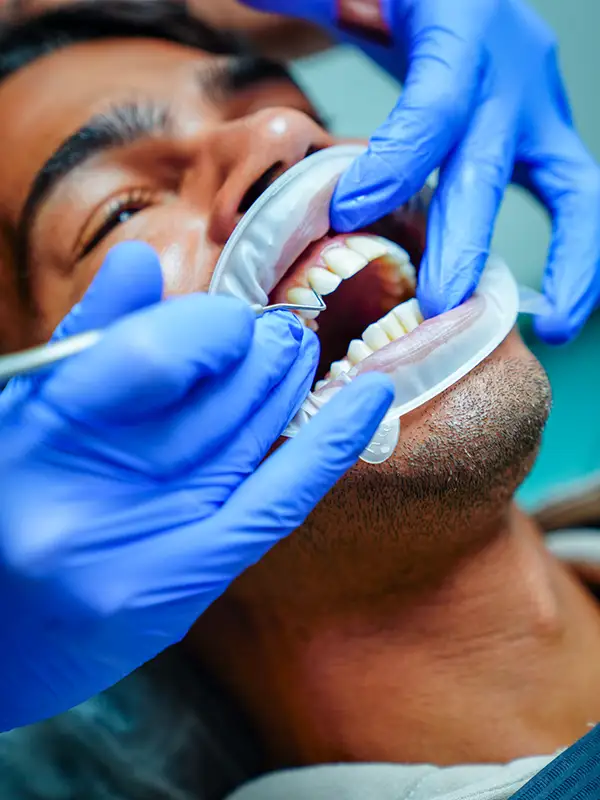
Discover why regular dental check-ups are essential to prevent cavities, gingivitis, and other oral health conditions. Take advantage of the benefits of professional follow-up.
Maintaining good oral health is not limited to daily brushing and flossing. Regular dental examinations are essential to prevent and detect oral diseases early, helping to avoid long-term complications. Many conditions, such as cavities and gum disease, can develop without obvious symptoms in their early stages, making routine visits to the dentist indispensable.
In addition, technological advances in dentistry allow for more accurate diagnoses and less invasive treatments. Professional follow-up and preventive care ensure a healthy smile and improve quality of life.
How do dental check-ups prevent oral diseases?
Regular dental appointments are the best strategy to avoid oral health issues that can affect overall health and well-being. During an examination, the dentist evaluates the presence of cavities, gum inflammation, and other abnormalities which, if left untreated, can progress into more serious conditions.
One of the main benefits of these visits is the removal of bacterial plaque and tartar. Even with good oral hygiene, certain areas of the mouth accumulate deposits that are difficult to remove through brushing alone. A professional in-office cleaning significantly reduces the risk of cavities and periodontal disease.
Another major advantage is the early detection of conditions such as gingivitis, periodontitis, or suspicious lesions that may indicate more serious diseases, such as oral cancer. The earlier a problem is identified, the more effective and less invasive the treatment will be.
The importance of prevention in dentistry
Prevention is the key to avoiding complex treatments and maintaining good oral health. Seemingly minor signs, such as tooth sensitivity or bleeding gums, can be early symptoms of issues that, without proper care, may lead to tooth loss.
Beyond preventing pain and discomfort, preventive dentistry also has a direct impact on general health. Studies show that oral infections can increase the risk of cardiovascular disease and metabolic complications such as diabetes. Maintaining good dental health is therefore a true investment in overall well-being.
How often should dental check-ups be scheduled?
In general, it is recommended to visit a dentist every six months. However, the frequency may vary depending on each patient’s individual needs. People who are prone to cavities, gingivitis, or who have a history of periodontal disease may require more frequent visits.
Patients with dental prosthetics, orthodontic appliances, or implants should also follow a strict check-up routine to avoid potential complications. The dentist will assess each situation and recommend the ideal interval to ensure optimal oral health.
What happens during a dental check-up?
During a routine appointment, the dentist performs a complete evaluation of the mouth, gums, and teeth to detect any potential problems. Imaging exams, such as X-rays, may be prescribed to identify cavities that are not visible to the naked eye or abnormalities in bone structure.
Dental prophylaxis, commonly known as professional cleaning, removes bacterial plaque, tartar, and superficial stains from the teeth. This care is not limited to improving the appearance of the smile; it also helps prevent the development of oral diseases.
If a problem is detected, the dentist will recommend an appropriate treatment, which may include fillings, periodontal care, or adjustments to the patient’s oral hygiene routine.
Regular dental check-ups are essential to prevent oral diseases and maintain a healthy smile. Periodic visits make it possible to diagnose problems at an early stage, avoiding extensive treatments and preserving natural teeth.
Do not wait for pain to be your first warning sign. Book an appointment today and invest in your oral health!


